
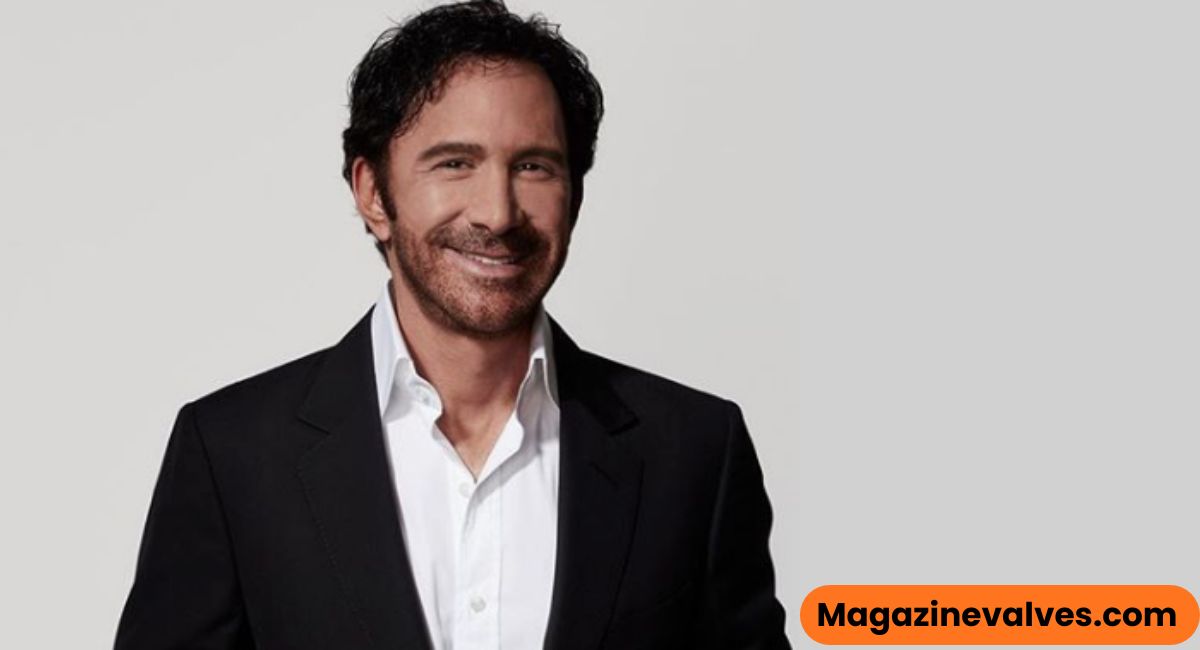
Peter Thomas Roth has built an impressive reputation in the beauty industry through innovation, luxury skincare products, and science-based solutions. The topic of Peter Thomas Roth net worth attracts attention because his success story reflects years of dedication, smart business strategies, and strong consumer trust. From launching a small skincare company in the early 1990s to creating a globally recognized beauty empire, Roth transformed personal skincare challenges into profitable opportunities.
His brand is now known for advanced formulations and visible skincare results across international markets. Today, his growing fortune highlights the power of premium skincare brand, skincare innovation, luxury skincare products, global beauty brand, and results-driven skincare in the highly competitive beauty industry.
Who Is Peter Thomas Roth?
Peter Thomas Roth is one of America’s most recognized skincare entrepreneurs. He founded his luxury skincare brand in 1993 and never looked back. Today, his name sits alongside the biggest names in the luxury beauty market — and for good reason. He combined clinical science with high-end aesthetics in a way nobody else had done before. That combination became his superpower.
What makes him fascinating isn’t just the money or the fame. It’s the why behind it all. His passion for skincare science started long before the brand did. It started with a personal problem, a curious mind, and a burning desire to create something better than what already existed on the shelves.
Early Life and Family Background
Peter Thomas Roth was born in New York. His family had strong European roots, and that background shaped everything about him. Growing up, he was surrounded by a culture that valued quality, craftsmanship, and attention to detail. These weren’t just aesthetic preferences — they became the foundation of a premium skincare brand that would one day reach customers in dozens of countries.
His family’s connection to European spa culture played a huge role in his development. European skincare traditions have always emphasized ritual, ingredients, and results over flashy packaging. That philosophy seeped into Peter’s worldview early. He grew up understanding that real luxury isn’t about looking expensive. It’s about being effective. That distinction would later define his entire skincare business strategy.
His upbringing also instilled a sharp entrepreneurial instinct. He noticed things. He asked questions. He didn’t accept “good enough” as an answer. Those traits — curious, demanding, detail-oriented — aren’t common in children. But they’re exactly what you’d expect from someone who would later build a global beauty brand from scratch.
Interest in Beauty and Skincare Industry
Peter’s interest in skincare wasn’t purely academic. It was deeply personal. Like many people, he struggled with skin issues growing up. Acne, sensitivity, and frustration with products that promised everything and delivered nothing. Sound familiar? If you’ve ever stood in a beauty aisle feeling overwhelmed and underwhelmed at the same time, you already understand what drove him.
That frustration became fuel. He started researching ingredients. He experimented. He read everything he could find about skincare ingredients and dermatological treatments. Most people in his position would have just found a product that worked well enough and moved on. Peter did something different. He asked: “Why isn’t there something better?”
That question changed everything. It turned a personal frustration into a professional mission. It pushed him toward skincare innovation long before it was a buzzword. And it planted the seed of what would eventually become one of the most respected clinical skincare products companies in the world.
How Did Peter Thomas Roth Start His Career?
Starting a premium skincare company from zero takes more than passion. It takes preparation. Peter Thomas Roth spent years building the knowledge base and professional experience that would eventually make his brand credible and competitive. He didn’t rush. He learned. He observed. Then he acted — and when he did, he acted decisively.
His career trajectory reflects a smart, strategic mind at work. He understood that the beauty industry success he was chasing required real expertise — not just enthusiasm. So he pursued both formal education and hands-on experience before ever putting his name on a product.
Education and Professional Journey
Peter Thomas Roth pursued education with a clear purpose. He studied business and developed a deep understanding of cosmetic science. His academic foundation gave him two things most beauty entrepreneurs lack: business acumen and formulation knowledge. That rare combination is a huge part of why his brand succeeded where others failed.
He didn’t just learn theory in a classroom either. He sought out knowledge wherever he could find it — studying European spa traditions, learning from dermatologists, and immersing himself in the science of skin. His approach to research and development was thorough and genuine. He wanted to understand why ingredients worked, not just that they worked.
| Education Stage | Focus Area | Impact on Career |
|---|---|---|
| Undergraduate Studies | Business & Science | Built brand-thinking foundation |
| Cosmetic Chemistry Training | Formulation expertise | Enabled science-based product development |
| European Spa Culture Study | Luxury ingredient traditions | Shaped brand’s premium positioning |
| Self-Directed Learning | Dermatological research | Deepened clinical credibility |
This layered educational background gave Peter a serious edge. When he eventually launched his brand, he wasn’t guessing at formulas. He knew what would work and why. That confidence showed in the products — and customers noticed immediately.
Experience Before Launching the Brand
Before launching Peter Thomas Roth Clinical Skin Care, Peter spent time working in and around the beauty and wellness industry. He paid attention to what brands were doing well and — more importantly — what they were getting wrong. He saw a market full of promises and short on proof. Products that looked luxurious but underdelivered. Brands that prioritized aesthetics over product effectiveness.
That observation became his competitive advantage. He wasn’t entering the market to replicate what already existed. He was entering to fix what was broken. This kind of market analysis — done through lived experience rather than just spreadsheets — gave him insights that no focus group could have provided.
He also used this period to build relationships. Connections with suppliers, chemists, retailers, and industry professionals. Business development at this stage wasn’t glamorous. It was grunt work. But it laid the groundwork for everything that came later. By the time he was ready to launch, Peter Thomas Roth wasn’t a newcomer stumbling into the industry. He was a prepared, knowledgeable professional ready to disrupt it.
The Beginning of Peter Thomas Roth Clinical Skin Care
1993 was the year everything changed. Peter Thomas Roth Clinical Skin Care officially launched and immediately stood out from the competition. The beauty market at the time was dominated by heritage luxury brands on one end and mass-market drugstore products on the other. Peter saw the gap in the middle — and walked right through it.
His brand’s arrival was like someone finally saying what everyone was thinking: “Why can’t skincare be both clinically effective and genuinely luxurious?” That question drove the brand’s early identity and still drives it today. The skincare entrepreneur behind it refused to compromise on either side of that equation.
Inspiration Behind the Brand
The inspiration was rooted in honesty. Peter Thomas Roth looked at the existing luxury skincare products on the market and saw beautiful packaging filled with disappointingly weak formulas. He looked at clinical products and saw effective formulas in ugly, uninspiring packaging. He wanted both. High performance and high style. Science-based skincare solutions wrapped in genuine luxury.
His European spa heritage played a huge role here. European skincare has long prioritized ingredient quality and visible skincare results over marketing gimmicks. Peter brought that philosophy to the American market — but packaged it in a way that resonated with US consumers who expected premium aesthetics alongside premium performance.
“The philosophy was simple: give customers formulas that actually work. No compromise on ingredients. No compromise on results.”
That founding philosophy became the brand’s north star. Every product decision, every formula, every ingredient concentration — all measured against one question: does it actually deliver?
First Products and Market Launch
The brand’s initial product lineup was bold. Peter Thomas Roth launched with advanced skincare formulations that contained active ingredients at concentrations most brands avoided — because effective concentrations cost more and require more technical expertise to stabilize. He invested in both.
Early retail partnerships were strategic and deliberate. Bergdorf Goodman was among the first major retailers to carry the line — a significant stamp of credibility in the luxury beauty market. Spa placements followed, building professional credibility alongside consumer availability. Then Sephora came — and everything accelerated.
“Getting into Sephora wasn’t just a retail win. It was a signal to the entire industry that this brand belonged at the top table.”
Consumer response was enthusiastic. People who had tried everything and found nothing that worked started discovering Peter Thomas Roth products and experiencing visible skincare results they hadn’t expected. Word spread fast. In the beauty world, real results are the most powerful marketing tool there is — and Peter had built his entire brand around delivering exactly that.
What Makes His Skincare Brand So Successful?
The success of the Peter Thomas Roth skincare brand isn’t accidental. It’s the result of two deeply intertwined commitments: clinical efficacy and luxury positioning. Most brands pick one. Peter Thomas Roth refused to. That stubbornness — or rather, that clarity of vision — became the brand’s greatest competitive asset in a crowded skincare market growth environment.
Understanding why the brand works helps explain why Peter Thomas Roth wealth has grown so significantly over the decades. When you build something that genuinely solves a problem, brand loyalty follows naturally. And brand loyalty is the foundation of long-term, sustainable financial success.
Science-Based Product Innovation
Skincare innovation sits at the heart of everything Peter Thomas Roth does. The brand doesn’t chase trends. It sets them. Long before hyaluronic acid was a household name in American bathrooms, Peter Thomas Roth was formulating with it at serious concentrations. Long before retinol became mainstream, his brand was already putting it to work in anti-aging solutions that delivered measurable results.
The product lineup reflects decades of skincare science applied to real consumer needs. Each collection targets a specific concern with focused, advanced formulations built around active ingredients at effective doses. That’s not the norm in the industry. Many brands list impressive ingredients at concentrations too low to do anything meaningful — essentially charging for the marketing story rather than the formula itself.
Top-Selling Peter Thomas Roth Products in the USA:
- Water Drench Hyaluronic Cloud Cream — hydration-focused treatments at their finest
- Instant FIRMx Eye Temporary Eye Tightener — a red carpet staple
- FirmX Peeling Gel — gentle exfoliation that actually works
- Pumpkin Enzyme Mask — enzyme exfoliation meets luxury texture
- 24K Gold Mask Pure Luxury Lift & Firm — the viral sensation that launched a thousand selfies
Each of these products became bestsellers not because of flashy advertising but because of product effectiveness. Customers tried them, saw results, and told everyone they knew. That organic momentum is worth more than any paid campaign — and it’s only possible when the formulas genuinely perform.
Luxury Branding and Customer Trust
Skincare brand credibility isn’t built overnight. It’s earned — through consistent formulas, transparent ingredient lists, and real results over time. Peter Thomas Roth has spent over three decades earning that credibility, and it shows in the brand’s devoted customer base.
The packaging is a masterclass in luxury aesthetics. Clean lines, clinical precision, premium materials. It signals quality before a single drop touches your skin. But packaging is just the beginning. What keeps customers coming back is product effectiveness — the feeling that what they paid for actually worked. In a market full of beautiful bottles containing mediocre formulas, that consistency is genuinely rare.
Consumer demand for professional skincare solutions continues to grow in the USA. Customers are more educated than ever. They read ingredient lists. They research actives. They ask questions. A brand like Peter Thomas Roth — built on transparency and science — is perfectly positioned to thrive in exactly this environment.
Peter Thomas Roth Net Worth in 2026
Here’s what everyone wants to know. Peter Thomas Roth net worth in 2026 is estimated to be in the range of $150 million to $200 million, though exact figures are not publicly verified since the company remains privately held. What’s clear is that his skincare financial success has grown steadily and significantly over the past three decades — driven by smart distribution, relentless innovation, and long-term business growth across multiple revenue channels.
The millionaire skincare founder built his fortune the old-fashioned way: by creating something genuinely valuable and refusing to cut corners. His overall revenue growth reflects both the quality of his products and the strength of his business instincts. This isn’t lottery-ticket wealth. It’s built-from-scratch, brick-by-brick success.
Estimated Net Worth and Financial Growth
Peter Thomas Roth wealth has followed a clear upward trajectory tied to key brand milestones. Each major expansion — retail partnerships, international growth, digital presence — added new revenue layers that compounded over time. The brand’s ability to stay relevant across multiple decades is remarkable in an industry notorious for short attention spans.
| Year | Key Milestone | Estimated Financial Impact |
|---|---|---|
| 1993 | Brand launch in New York | Foundation established |
| Late 1990s | Bergdorf Goodman & spa placements | Luxury credibility built |
| Early 2000s | Sephora partnership begins | Mass luxury reach achieved |
| 2008–2012 | HSN/QVC television success | Multi-million dollar sales surge |
| 2015–2019 | International expansion accelerates | Global market presence established |
| 2020–2023 | TikTok virality & Gen Z discovery | Consumer demand among new generation |
| 2024–2026 | Continued overall revenue growth | Net worth estimate: $150M–$200M |
The numbers tell a compelling story. Skincare company revenue built steadily at first, then accelerated as the brand’s distribution expanded. Each new channel — department stores, Sephora, television, e-commerce, international — added another revenue stream. Smart founders build multiple income sources. Peter Thomas Roth built several.
Main Sources of Income and Revenue
The skincare company revenue powering Peter Thomas Roth net worth comes from a well-diversified set of sources. That diversification is intentional — and smart. Relying on a single channel is a vulnerability. Building across multiple platforms creates resilience.
Revenue Sources Breakdown:
- Retail Sales — Sephora, Ulta Beauty, Nordstrom, Bergdorf Goodman, and specialty retailers across the USA represent the largest revenue channel
- Direct-to-Consumer E-commerce — PeterThomasRoth.com drives high-margin sales directly to loyal customers
- Amazon — Significant volume through the world’s largest e-commerce platform
- Television Shopping — HSN and QVC have historically generated tens of millions in sales through live demonstrations
- International Distribution — Beauty brand expansion into Europe, Asia, and the Middle East continues to grow
- Professional and Spa Channel — Hotel spas, dermatology offices, and medical aesthetics practices
- Licensing and Collaborations — Special edition collections and strategic partnerships
“Television shopping alone reportedly drove tens of millions in revenue during peak years — proof that the right product, demonstrated live, to an engaged audience is pure commercial gold.”
How Did He Build a Global Beauty Empire?
Building a global beauty brand requires more than great products. It requires strategic thinking, cultural intelligence, and the patience to grow methodically rather than recklessly. Peter Thomas Roth approached international expansion the way he approaches formulation — with precision and purpose. He didn’t scatter the brand across every market at once. He identified the right entry points and built deliberately.
Beauty brand expansion on a global scale is genuinely complex. Different markets have different regulations, different beauty standards, different consumer demand patterns, and different competitive landscapes. Navigating all of that while maintaining skincare brand credibility and product effectiveness requires serious operational discipline.
International Brand Expansion
The brand’s international expansion began in earnest in the 2000s and accelerated through the 2010s. Today, Peter Thomas Roth products are available in the UK, Germany, France, Japan, South Korea, Australia, the Middle East, and beyond. Each market entry was supported by strong retail partnerships with luxury and prestige beauty retailers in those regions.
South Korea deserves special mention. As one of the world’s most sophisticated skincare markets, earning credibility with Korean consumers is a genuine achievement. The fact that Peter Thomas Roth Clinical Skin Care has established presence there speaks to the brand’s actual technical merit — Korean beauty consumers are famously discerning.
Global market presence is now a core pillar of the brand’s financial success. International revenue diversifies risk and amplifies overall revenue growth in ways that domestic sales alone cannot. When one market slows, others can carry the load. That geographic diversification is a hallmark of smart business development.
Celebrity Influence and Media Popularity
Celebrity culture and the luxury beauty market have always been intertwined. Peter Thomas Roth understood this early. His products found their way into the hands — and onto the faces — of some of Hollywood’s biggest names. That kind of organic celebrity adoption is worth more than any paid endorsement because it reads as genuine.
The Instant FIRMx Eye Temporary Eye Tightener became legendary for its pre-red-carpet following. Makeup artists and celebrities alike discovered it as a quick fix for tired eyes before major events. That backstage credibility spread into editorial coverage — Vogue, Harper’s Bazaar, Allure, and InStyle all featured the brand in beauty pages where skincare brand popularity is cemented.
Then TikTok happened. The 24K Gold Mask went viral in ways that no traditional marketing campaign could have predicted or engineered. A new generation of skincare enthusiasts discovered Peter Thomas Roth through short-form video content — sharing reactions, before-and-afters, and dramatic application videos that racked up millions of views. Consumer demand from Gen Z brought fresh energy and new revenue to a brand that had already proven itself across multiple generations.
Peter Thomas Roth Business Strategy and Philosophy
Every successful skincare industry leader has a philosophy that shapes decisions. Peter Thomas Roth’s is clear: results first, always. His skincare philosophy never wavers. Products either perform at the highest level or they don’t make the cut. That standard — applied consistently over three decades — is the backbone of his skincare business strategy.
Understanding his approach to business development reveals why the brand has outlasted so many competitors. Trends come and go in the luxury beauty market. Brands built on hype fade when the hype does. Brands built on genuine product effectiveness and brand loyalty endure. Peter Thomas Roth built the latter — and his Peter Thomas Roth net worth reflects that enduring value.
Focus on Results-Driven Skincare
Results-driven skincare isn’t a marketing slogan for Peter Thomas Roth. It’s a genuine operating principle. Every product decision starts with a question: will this actually work? If the answer isn’t a confident yes backed by science, the product doesn’t launch. That discipline is rare in an industry often driven by trend cycles and packaging aesthetics.
His commitment to skin renewal technologies and advanced formulations means the R&D investment is always significant. Developing formulas with active ingredients at effective concentrations costs more than using those same ingredients at token doses. Peter Thomas Roth consistently chooses the expensive option — because he knows that visible skincare results are what create lasting brand loyalty.
This focus on dermatological skincare and clinical efficacy also positioned the brand ahead of a major consumer shift. Today’s skincare consumer is sophisticated. They research. They know their actives. They reward brands that treat them as intelligent adults. Peter Thomas Roth’s brand was built for exactly this consumer — years before that consumer became the dominant force in the market.
Marketing Techniques and Brand Positioning
Peter Thomas Roth’s skincare business strategy includes some genuinely innovative marketing approaches. His early adoption of television shopping was ahead of its time. Long before influencer marketing existed, he was demonstrating products live on HSN and QVC — showing real results in real time to engaged, purchase-ready audiences. That direct-response approach built both sales volume and skincare brand credibility simultaneously.
Editorial press relationships gave the brand the credibility of luxury while the clinical positioning gave it the authority of science. That dual identity — luxury and clinical — created a unique brand positioning that competitors found difficult to replicate. You can copy a formula. It’s much harder to copy a brand identity built over decades.
Digital marketing evolved the strategy further. Social media allowed the brand to show visible skincare results at scale — real customers, real before-and-afters, real reactions. Skincare market trends shifted toward authenticity and proof, and Peter Thomas Roth’s brand was already sitting on decades’ worth of both.
Personal Life, Relationships, and Lifestyle
Behind the brand is a real person with a life beyond formulation labs and retail partnerships. Peter Thomas Roth is known for keeping his personal life relatively private — a deliberate choice that commands respect in an era where oversharing is the default. What is known paints a picture of someone who lives by the same standards he applies to his products: quality, intention, and no compromises.
His personal values clearly feed his professional ones. The same attention to detail that goes into a premium skincare brand formula applies to how he approaches his own life. That consistency between personal philosophy and professional output is a hallmark of truly authentic entrepreneurs.
Marriage, Family, and Private Life
Peter Thomas Roth keeps his family life guarded and largely out of the public eye. He’s been linked to the New York social scene but prefers to let his brand do the talking rather than his personal narrative. In an industry where founder personalities often become as important as the products themselves, his discretion is a deliberate choice — one that keeps the focus firmly on the work.
What’s clear is that the people close to him respect both the brand and the man behind it. Long-term business growth of the kind Peter Thomas Roth has achieved requires a stable personal foundation. The brand’s consistent vision over more than three decades suggests someone with deep internal clarity — a quality that starts at home.
Luxury Lifestyle, Fitness, and Interests
Peter Thomas Roth’s lifestyle reflects his brand’s values in the most authentic way possible. He’s known for his dedication to personal wellness — fitness, nutrition, and skincare rituals that go well beyond professional obligation. When your name is literally on the product, you’d better believe in it. He clearly does.
His interests extend into art, travel, and the kind of design-forward aesthetic that shows up in his product packaging. He has an eye for beauty in the broadest sense — not just skincare, but architecture, interiors, and experiences. That wide aesthetic sensibility informs the brand’s visual identity in ways that pure marketing strategists rarely achieve.
His lifestyle choices also reflect the luxury beauty market his brand inhabits. He understands his consumer because in many ways he is his consumer — someone who demands quality, appreciates craftsmanship, and won’t settle for less than the best.
Challenges, Competition, and Industry Pressure
No skincare empire gets built without serious obstacles. The beauty market competition is relentless, and the luxury beauty market is particularly ruthless. Heritage brands with billion-dollar marketing budgets, nimble indie startups with viral social strategies, and private-label competitors undercutting on price — they all compete for the same shelf space and the same consumer demand.
Staying relevant in this environment for over thirty years is genuinely extraordinary. Skincare market trends shift constantly. Ingredients fall in and out of favor. Consumer expectations evolve. Economic pressures test pricing strategies. Yet Peter Thomas Roth’s brand has navigated all of it — which says something important about the depth of its foundation.
Competitive Beauty Market
The high-end skincare brand landscape in the USA is intensely competitive. Peter Thomas Roth doesn’t just compete with other luxury brands — he competes across multiple segments simultaneously. Clinical brands like SkinCeuticals compete on science. Heritage luxury brands like La Mer compete on prestige. Korean beauty brands compete on innovation. New DTC brands compete on transparency and affordability.
| Brand | Price Range | Key Positioning | Main Strength |
|---|---|---|---|
| Peter Thomas Roth | $25–$175 | Clinical + Luxury hybrid | Skincare science + premium aesthetics |
| La Mer | $90–$400 | Heritage luxury | Brand mythology |
| SkinCeuticals | $30–$200 | Dermatologist-recommended | Clinical authority |
| Tatcha | $35–$250 | Japanese beauty ritual | Cultural storytelling |
| Dr. Barbara Sturm | $50–$500 | Molecular cosmetics | Exclusivity + science |
Surviving — and thriving — in this competitive landscape requires constant skincare product innovation, sharp skincare business strategy, and unwavering skincare brand credibility. Peter Thomas Roth has maintained all three. That’s not luck. That’s discipline.
Maintaining Brand Reputation and Growth
Brand loyalty is hard-won and easily lost. One bad formula, one controversial ingredient, one PR misstep — and years of trust can erode quickly. Peter Thomas Roth has managed this carefully. The brand engages with criticism constructively, reformulates when necessary, and maintains transparent communication with its customer base.
The clean beauty movement created real pressure for professional skincare solutions brands. Consumers started scrutinizing ingredient lists for potentially harmful chemicals. Skincare brand credibility required honest responses and genuine reformulation where warranted — not just defensive PR. The brands that survived this shift were the ones that had always prioritized real product effectiveness over cheap formulation shortcuts. Peter Thomas Roth’s history of using quality ingredients at effective concentrations meant this transition was less disruptive for him than for brands that had been cutting corners all along.
Sustainability is the next frontier. Packaging waste, carbon footprint, and ethical sourcing are now skincare market trends that consumers genuinely care about. The premium skincare brand of 2026 and beyond must address these concerns authentically — and that requires investment, honesty, and long-term business growth thinking over short-term profit maximization.
Lessons Entrepreneurs Can Learn from Peter Thomas Roth
The Peter Thomas Roth net worth story isn’t just about money. It’s one of the most compelling entrepreneur success stories in the American beauty industry. There are real, applicable lessons here — for aspiring founders, established business owners, and anyone trying to build something lasting in a competitive market.
Skincare business success at the level Peter Thomas Roth has achieved doesn’t happen by accident. It happens through a combination of market insight, product discipline, strategic patience, and relentless commitment to the customer. These are lessons that apply far beyond the beauty aisle.
Business Success Tips
Lesson 1: Solve a real problem. Peter Thomas Roth didn’t enter the market because he wanted to sell skincare. He entered because he was frustrated by the gap between what existed and what should have existed. Real problems produce loyal customers. Invented problems produce temporary sales.
Lesson 2: Own a precise positioning. The clinical-luxury hybrid space wasn’t occupied when Peter Thomas Roth entered it. He identified a gap and filled it with authority. Vague positioning — trying to be everything to everyone — is a fast path to being nothing to nobody.
Lesson 3: Quality is your best marketing. In the skincare industry, word-of-mouth driven by visible skincare results is more powerful than any advertising campaign. Build something that works so well people can’t stop talking about it. The marketing practically runs itself.
Lesson 4: Distribution strategy matters as much as the product. Getting into Bergdorf Goodman, then Sephora, then television shopping, then e-commerce — each channel decision was strategic. Reaching customers where they actually shop is a business fundamental that sounds obvious but gets overlooked constantly.
Lesson 5: Build multiple revenue channels early. Skincare financial success at scale requires revenue diversification. Retail, direct-to-consumer, professional, international, TV — each channel is both a revenue source and a hedge against disruption in any single channel.
Lesson 6: Patience is a competitive advantage. The skincare empire Peter Thomas Roth built took thirty-plus years to reach its current scale. In an era obsessed with overnight success, long-term thinking is genuinely rare — and genuinely powerful.
Key Takeaways from His Journey
The biggest takeaway from the Peter Thomas Roth net worth journey is this: authenticity compounds. Every decision grounded in genuine values — clinical efficacy, luxury standards, customer results — built on the one before it. Thirty years of consistent, values-driven decisions created a brand worth hundreds of millions of dollars and trusted by millions of consumers worldwide.
His skincare philosophy — results-driven skincare backed by skincare science — never wavered. When trends pushed toward minimalist formulations, he stayed scientific. When the market moved toward wellness storytelling, he stayed clinical. That consistency isn’t stubbornness. It’s integrity. And in the global skincare industry, integrity is a remarkable differentiator.
The beauty industry success Peter Thomas Roth achieved also reflects something deeply American — the belief that hard work, genuine expertise, and customer focus will win in the long run. Not every entrepreneur will build a skincare empire. But every entrepreneur can choose to build something real, build it well, and build it for the long term. That choice, made consistently over time, is the real secret behind Peter Thomas Roth net worth and the brand that built it.
Conclusion
Peter Thomas Roth net worth is the financial summary of a life spent obsessing over what skincare could be — not what it already was. From a New York childhood shaped by European spa culture to a global beauty brand trusted by millions, his journey is as compelling as the products that built it.
He saw a gap between clinical efficacy and luxury experience. He filled it with science, stubbornness, and an uncompromising commitment to visible skincare results. He built brand loyalty through decades of consistency. He expanded globally through strategic patience. And he created a premium skincare brand that will outlast current trends because it was never built on trends to begin with.
Whether you’re a skincare enthusiast, a beauty entrepreneur, or simply someone who finds great entrepreneur success stories inspiring — Peter Thomas Roth’s story delivers. His Peter Thomas Roth net worth isn’t just a number. It’s the measure of what happens when genuine expertise meets relentless ambition and never, ever compromises on quality.
FAQs
Who Is Peter Thomas Roth?
Peter Thomas Roth is a famous skincare entrepreneur and business owner known for creating a globally successful luxury skincare brand. He became popular for developing science-based skincare products that deliver visible results.
What Is Peter Thomas Roth’s Real Name?
Peter Thomas Roth’s real name is Peter Thomas Roth. He uses his full birth name as the official identity of his skincare company and personal brand.
How Old Is Peter Thomas Roth in 2026?
Peter Thomas Roth was born in 1957, which makes him around 69 years old in 2026. Despite his age, he remains active in the skincare and beauty industry.
Is Peter Thomas Roth Married?
Peter Thomas Roth keeps most details about his personal life private. There is limited public information available regarding his current marital status or relationships.
What Is Peter Thomas Roth’s Net Worth in 2026?
As of 2026, Peter Thomas Roth’s estimated net worth is believed to be in the hundreds of millions of dollars. His wealth mainly comes from his successful skincare company and global product sales.
What Is Peter Thomas Roth Known For?
Peter Thomas Roth is best known for his luxury skincare brand and advanced skincare formulations. His products are widely recognized for anti-aging treatments, hydration solutions, and visible skincare results.
Also read: Dr Ed Salinger Net Worth 2026 – Income, Career & Wealth Breakdown